The Case Study of Francesco Manea
This article draws inspiration from the thesis project developed by Francesco Manea, a graduate student at the University of Padua, Department of Economic and Business Sciences “M. Fanno”, within the Economics degree program.
The thesis focused on Clerprem, developed in close collaboration with the company’s internal team. Thanks to the support of Clerprem’s experts, Francesco Manea was able to deeply analyze the role of eco-innovation in the transition toward a green economy, creating a paper that combines a solid theoretical framework with practical and real-world applications.
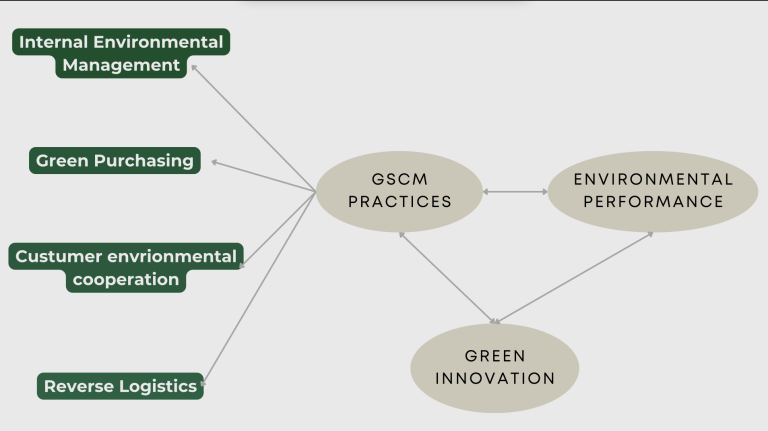
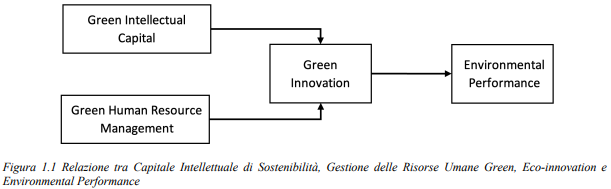
Immages from “Eco-Innovation e Performance Aziendali: il caso Clerprem nella supply chain del settore automative”
Author : Ch.Mo Prof. Ian De Noni e Francesco Manea
Eco-Innovation: What It Is and Why It Matters
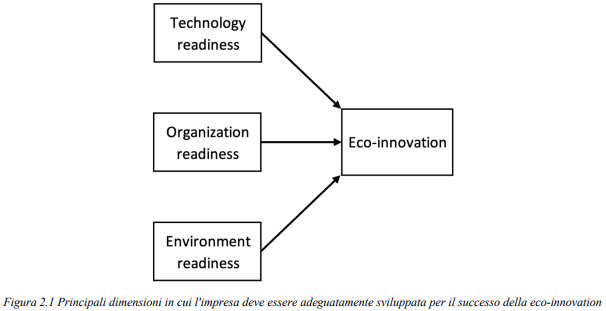
Eco-innovation is a form of sustainable innovation aimed at improving environmental performance through advanced solutions and technologies.
It’s not only about reducing environmental impact — it’s also about optimizing operational efficiency and strengthening market competitiveness.
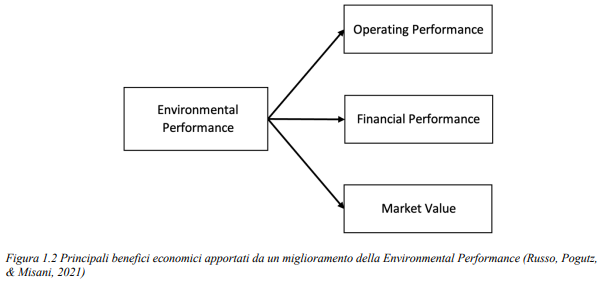
Investing in eco-innovation pursues a double objective:
Improving the environmental performance of businesses, contributing to the fight against climate change.
Ensuring positive economic returns, making sustainability a winning investment choice.
The Drivers of Eco-Innovation
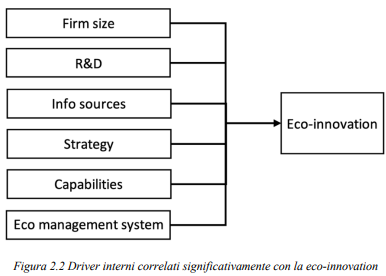
In the path toward sustainability, companies are influenced by various drivers, which can be both:
Internal: linked to corporate strategy, leadership values, and the innovative capacity of the internal team.
External: such as institutional regulations and customer requirements.
For Clerprem, leadership values and customer focus are key drivers that have enabled the company to achieve significant milestones in both sustainability and competitiveness.
The Clerprem Case: Eco-Innovation as a Competitive Advantage
Clerprem stands as a virtuous example of how eco-innovation can be successfully implemented.
As a supplier within the automotive supply chain, the company has integrated sustainable solutions that improved not only its environmental performance but also its economic efficiency.
Through eco-innovation, Clerprem has achieved:
Reduced operational costs through more efficient resource management.
Increased attractiveness to global market leaders who see Clerprem as a reliable and forward-thinking partner.
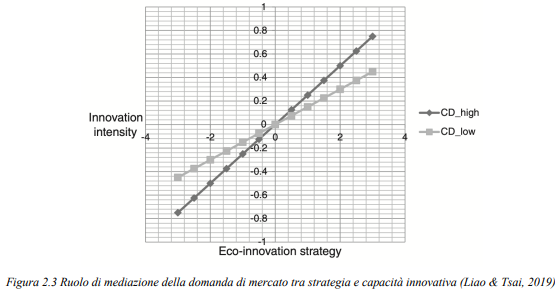
A key factor in the company’s success is its ability to respond effectively to the growing demand for sustainability from clients, often driven by institutional regulations.
Eco-Innovation: A Vision for the Future
The study on Clerprem highlights that eco-innovation is not only a response to the climate crisis, but also a strategic tool to enhance business competitiveness.
The company’s experience demonstrates that investing in sustainability leads to tangible benefits — in cost reduction, market positioning, and long-term resilience.
A Model of Successful Collaboration
Clerprem represents a benchmark for all companies aiming to face the challenges of the green transition successfully.
Its combination of corporate values, innovation, and market responsiveness proves that it’s possible to align environmental sustainability with economic growth, setting solid foundations for a greener future.